Smart home technology has moved from futuristic to everyday. Lights that switch on as you arrive, a voice assistant that sets reminders, a robot vacuum that cleans while you are out, and a doorbell you can answer from your phone all make modern living more convenient, comfortable and efficient.
The good news is that you do not need to rewire your house or spend thousands to get started. A few well-chosen smart home gadgets can make a noticeable difference, and you can expand your setup over time. we cover the best gadgets, room-by-room ideas, energy savings, compatibility and security, so you can build a smart home that genuinely suits your household. You can also explore our smart home range.
1. What Is a Smart Home and How Does It Work?
A smart home uses connected devices that you can control remotely, by voice or automatically, to manage things like lighting, security, climate and appliances.
How Smart Home Devices Connect to the Internet
Most smart devices connect to your home Wi-Fi and are controlled through a smartphone app. Once connected, you can turn them on or off, adjust settings and receive alerts from anywhere with an internet connection.
The Role of Wi-Fi, Bluetooth and Smart Home Hubs
Wi-Fi suits devices that need lots of data, such as cameras. Bluetooth works over short distances for simple devices. Some products use low-power protocols such as Zigbee, Z-Wave or Thread, which connect through a hub or compatible smart speaker and help battery-powered sensors last longer.
How Home Automation Works
Automation links devices with simple rules: if this happens, do that. For example, when a door sensor detects you arriving after sunset, the hallway lights turn on. You can also set schedules, such as blinds opening at 7 am.
Benefits of Smart Technology for Everyday Living
Smart home solutions can save time, improve security, reduce wasted energy and make the home more accessible for older family members or people with limited mobility.

2. 10 Best Smart Home Gadgets for Modern Living
These are the most useful smart home devices for Australian households, with what each does and what to check before you buy. Budget is shown as a relative guide rather than exact prices, which change often.
|
Gadget |
Main purpose |
Key benefit |
Budget |
Needs |
|---|---|---|---|---|
|
Smart lighting |
Lighting control |
Ambience and energy savings |
Low to medium |
Wi-Fi or hub |
|
Smart speaker |
Voice control |
Hands-free control of other devices |
Low to medium |
Wi-Fi |
|
Smart plug |
Appliance control |
Makes ordinary devices smart |
Low |
Wi-Fi |
|
Smart AC controller or thermostat |
Climate |
Comfort and lower energy use |
Medium |
Compatible heating or cooling |
|
Security camera / video doorbell |
Security |
Remote monitoring |
Medium to high |
Strong Wi-Fi; may need subscription |
|
Smart lock |
Access |
Keyless entry |
Medium to high |
Compatible door; installation |
|
Robot vacuum |
Cleaning |
Automated floor cleaning |
Medium to high |
Wi-Fi, clear floors |
|
Smart sensors |
Monitoring |
Triggers automations and alerts |
Low |
Hub or compatible speaker |
|
Smart smoke alarm |
Safety |
Phone alerts |
Medium |
Must meet local rules |
|
Smart blinds |
Window coverings |
Privacy and temperature control |
Medium to high |
Power, hub; may need installation |
1. Smart Lighting for Customisable Ambience
Smart bulbs, strips and switches let you dim, change colour and schedule lights from your phone or voice. They suit living rooms and bedrooms. Check the fitting type (B22 bayonet or E27 screw are common in Australia) and whether you need a hub.
2. Smart Speakers and Voice Assistants
A smart speaker plays music, answers questions and controls other devices by voice. It is often the centre of a smart home, so choose one that matches the ecosystem you plan to use.
3. Smart Plugs for Everyday Appliances
Smart plugs turn lamps, fans, heaters and kettles into app-controlled devices. Many also track energy use. Check the plug's maximum load before connecting high-power appliances.
4. Smart Thermostats and Climate Controls
Many Australian homes use split-system air conditioners rather than central heating, so a smart AC controller or a Wi-Fi-enabled air conditioner is often more useful than a traditional thermostat. Confirm compatibility with your system first.
5. Smart Security Cameras and Video Doorbells
Cameras and doorbells let you check your home and talk to visitors from anywhere. Compare video quality, night vision, local versus cloud storage and any subscription fees.
6. Smart Door Locks for Convenient Access
Smart locks open with a code, fingerprint or phone, and let you give temporary access to cleaners or guests. Check that the lock fits your door and has a backup entry method.
7. Robot Vacuum Cleaners for Automated Cleaning
Robot vacuums clean on a schedule while you are out. Look for mapping, no-go zones, mopping functions and a self-emptying base if you want less maintenance.
8. Smart Sensors for Doors, Windows and Motion
Small, affordable sensors detect doors opening or movement, triggering lights or sending alerts. They are the building blocks of most automations.
9. Smart Smoke Alarms and Safety Devices
Smart smoke alarms send alerts to your phone when you are away. Smoke alarm requirements vary between states and territories, and hardwired alarms must be installed by a licensed electrician, so check local rules first.
10. Smart Blinds and Automated Curtains
Motorised blinds and curtain motors open and close on a schedule or by voice, helping control heat, light and privacy. Retrofit curtain motors are a simpler option than replacing whole blinds.
3. Smart Home Solutions for Every Room
Smart technology works best when it fits the way each room is used, and when your furniture is planned around it.
Smart Living Room Ideas for Comfort and Entertainment
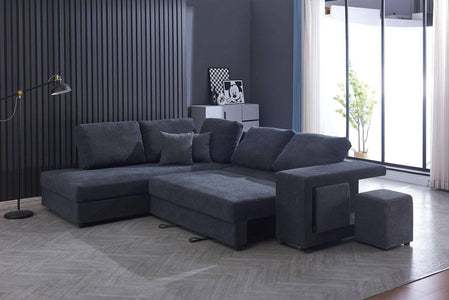
Combine dimmable smart lighting, a voice assistant and a smart TV for movie nights at the touch of a button. Choose TV units with cable management and space for streaming devices and speakers, or add warmth with LED fireplace TV units. Browse our modern living room furniture to bring the look together.

Smart Bedroom Gadgets for Better Convenience
Wake-up lighting, smart blinds and a smart plug for your fan or heater make mornings and evenings easier. Keep a smart speaker or charging station on your bedside tables, and pair smart bulbs with your favourite table lamps.
Smart Kitchen Appliances for Everyday Tasks
Smart plugs on the kettle or coffee machine, a smart speaker for timers and recipes, and leak sensors under the sink are simple, practical upgrades.
Smart Bathroom Technology for Modern Homes
Motion-activated night lighting, a smart plug or timer for the heated towel rail, and a humidity sensor that turns on the exhaust fan all add comfort.
Smart Home Office Solutions for Productivity
Use smart lighting that shifts from cool light for focus to warm light in the evening, and schedule your desk lamp and monitor to switch off after hours. Combine these with supportive office chairs and practical home office furniture.
4. How Smart Home Technology Can Help Save Energy
Smart devices do not save energy on their own, but they make it much easier to avoid waste. Savings depend on your habits, appliances and electricity plan.
Use Smart Lights and Motion Sensors
LED smart bulbs use far less power than older bulbs, and motion sensors switch lights off automatically in hallways, bathrooms and laundries when no one is there.
Automate Heating and Cooling Settings
Heating and cooling are among the largest energy users in most Australian homes. Scheduling your air conditioner to run only when needed, and avoiding extreme temperature settings, can make a noticeable difference.
Monitor Electricity Use With Smart Plugs
Energy-monitoring smart plugs show how much power appliances use, including standby power, helping you spot the biggest culprits.
Create Schedules to Reduce Unnecessary Energy Consumption
Set devices such as entertainment systems, heaters and chargers to switch off overnight or when you leave home. If you have solar panels, schedule appliances like dishwashers to run during daylight hours.
5. Best Smart Home Gadgets for Different Budgets
The true cost of a smart home includes accessories, hubs, installation and ongoing subscriptions, not just the price tag.
Affordable Smart Home Gadgets for Beginners
Smart plugs, smart bulbs and a compact smart speaker are the easiest and cheapest place to start. They need no installation and work with most ecosystems.
Mid-Range Devices for a More Connected Home
Video doorbells, robot vacuums, smart AC controllers and sensor kits add security and automation. Some need a hub or a stronger Wi-Fi network.
Premium Smart Home Systems Worth Considering
Whole-home systems with smart switches, motorised blinds, multi-camera security and professionally installed automation offer the most seamless experience, but usually require an electrician and a larger budget.
Which Smart Gadgets Should You Buy First?
Start with whatever solves your biggest daily frustration. For most households that means smart lighting or plugs for convenience, a video doorbell for security, or a robot vacuum to save cleaning time. Before buying, check for subscription fees: many cameras charge monthly for cloud video storage.
6. How to Choose the Right Smart Home Ecosystem
Your ecosystem is the platform that ties your devices together. Choosing one early saves frustration later.
Google Home, Apple Home and Amazon Alexa
Google Home suits Android users and anyone who relies on Google services. Apple Home integrates tightly with iPhones and emphasises privacy. Amazon Alexa supports a very wide range of devices. The best choice is usually the one that matches the phone and speakers already in your home.
What to Know About Matter-Compatible Devices
Matter is an industry standard backed by major brands including Google, Apple, Amazon and Samsung. Matter-certified devices are designed to work across supported platforms, making it easier to mix brands or switch ecosystems later.
How to Check Device Compatibility Before Buying
Look on the packaging or product page for the platforms it supports, the Matter logo, and whether a separate hub or bridge is required.
Why a Reliable Home Wi-Fi Network Matters
Every connected device depends on your network. If you have dead spots, a mesh Wi-Fi system can improve coverage, especially for cameras and doorbells at the edges of your home.
7. Smart Home Security and Privacy: What to Know
Connected devices are convenient, but each one is a potential entry point to your network. A few simple habits go a long way.
Secure Your Home Wi-Fi Network
Change the router's default password, use WPA2 or WPA3 encryption, and keep the router's firmware updated. Some people put smart devices on a separate guest network.
Use Strong Passwords and Multi-Factor Authentication
Use a unique, strong password for each smart home account and turn on multi-factor authentication wherever it is offered, especially for cameras and locks.
Check Camera Permissions and Privacy Settings
Review who can access camera feeds, where footage is stored and how long it is kept. Avoid pointing cameras into neighbours' properties or private areas.
Keep Smart Home Devices Updated
Install firmware and app updates promptly. Before buying, check that the brand has a track record of providing security updates. The Australian Cyber Security Centre (cyber.gov.au) publishes practical guidance on securing smart devices.
8. Smart Home Ideas for Small Spaces and Rental Properties
You do not need to own your home or renovate to enjoy smart technology. Many devices are portable and leave no trace when you move.
Use Smart Plugs and Portable Lighting
Smart plugs and smart bulbs in freestanding table lamps or floor lamps give you app and voice control without touching the wiring.

Choose Wireless Sensors and Removable Devices
Battery-powered sensors, plug-in cameras and adhesive-mounted devices can be removed easily when you move out.
Automate Curtains and Lighting Without Major Renovations
Retrofit curtain motors clip onto existing rails, and battery-powered smart switches can sit over existing switches without rewiring.
Check Rental Rules Before Installing Smart Locks or Wired Devices
Renting rules differ between states and territories. Ask your landlord or property manager in writing before changing locks, drilling holes or installing hardwired devices, and keep the original fittings to reinstall later.
9. Common Smart Home Mistakes to Avoid
These are the issues that most often turn a smart home into a frustrating one.
Buying Devices That Do Not Work Together
Mixing brands without checking compatibility can leave you juggling several apps. Pick an ecosystem first, or choose Matter-certified devices.
Ignoring Wi-Fi Coverage and Connectivity
Devices that keep dropping offline are usually a network problem. Check signal strength where each device will sit before you buy.
Overlooking Subscription Fees
Cloud storage for cameras and premium app features can add an ongoing cost. Factor these into your budget from the start.
Forgetting About Software Updates and Device Support
Cheap devices from unknown brands may stop receiving updates or lose app support. Choose brands with a reliable support history.
Automating Everything Before Testing Basic Features
Complex automations can behave unpredictably. Get each device working reliably on its own, then build simple routines and add more over time.
10. How to Start Building Your Own Smart Home
Follow these five steps to build a smart home that is genuinely useful rather than a collection of gadgets.
Identify Your Biggest Everyday Needs
List the daily tasks or worries you would most like to solve: leaving lights on, missing deliveries, high power bills or cleaning time.
Start With Two or Three Useful Devices
Choose devices that address those needs directly, such as smart plugs and a smart speaker, or a video doorbell and a few smart bulbs.
Choose a Compatible Smart Home Platform
Settle on Google Home, Apple Home or Amazon Alexa, and buy devices that support it or are Matter-certified.
Set Up Automations and Test Them
Create a few simple routines, such as lights on at sunset or everything off when you leave, and test them for a week before adding more.
Expand Your System Gradually
Add devices as new needs arise. Growing slowly keeps costs manageable and your system reliable.
Conclusion
A smart home does not need to be expensive or complicated. Starting with a few useful smart home gadgets, such as smart lighting, plugs or security sensors, can make daily routines easier straight away.
Before expanding, prioritise compatibility, privacy, energy use and your household's real needs. Then build gradually as new needs arise.
And remember that technology works best in a well-designed space. Explore our smart home range, along with modern furniture and home decor, to create a home that is as comfortable as it is connected.

Frequently Asked Questions
What are the best smart home gadgets for beginners?
Smart plugs, smart bulbs and a smart speaker are the best starting points. They are affordable, need no installation and work with the major platforms. Once you are comfortable, add a video doorbell, robot vacuum or sensors based on what would help your household most.
How much does it cost to create a smart home in Australia?
It depends on how far you go. A basic starter setup with a smart speaker and a few plugs or bulbs can cost a few hundred dollars. Adding cameras, locks, robot vacuums or professionally installed systems raises the cost considerably, and some devices carry ongoing subscription fees.
Do smart home devices work without Wi-Fi?
Some do, partly. Devices using Bluetooth, Zigbee or Thread can often run local automations through a hub without internet. However, most Wi-Fi devices lose app control, voice control and remote access when the internet is down, though many still work with their physical switches.
Which smart home system is best for everyday use?
There is no single best system. Google Home suits Android users, Apple Home suits iPhone households, and Amazon Alexa supports a very wide range of devices. Choose the platform that matches the phones and speakers you already use, and look for Matter support for flexibility.
Can smart home gadgets help reduce electricity bills?
They can help by switching off lights and appliances automatically, scheduling heating and cooling, and showing which devices use the most power. Actual savings depend on your habits, appliances and electricity plan, so think of smart devices as tools that make saving energy easier.
Are smart home devices safe and secure?
They can be, if you set them up carefully. Use strong, unique passwords, turn on multi-factor authentication, keep devices updated and buy from brands with a good security record. Check camera privacy settings and secure your home Wi-Fi network.
What is Matter in smart home technology?
Matter is an industry standard supported by major tech companies including Google, Apple, Amazon and Samsung. It is designed to help smart devices from different brands work together across supported platforms, so you are less locked into one ecosystem when you buy new gadgets.
Can I create a smart home without renovating my house?
Yes. Smart plugs, smart bulbs, battery-powered sensors, plug-in cameras, retrofit curtain motors and smart speakers all work without rewiring. These options are ideal for renters and apartments, and can be taken with you when you move.